

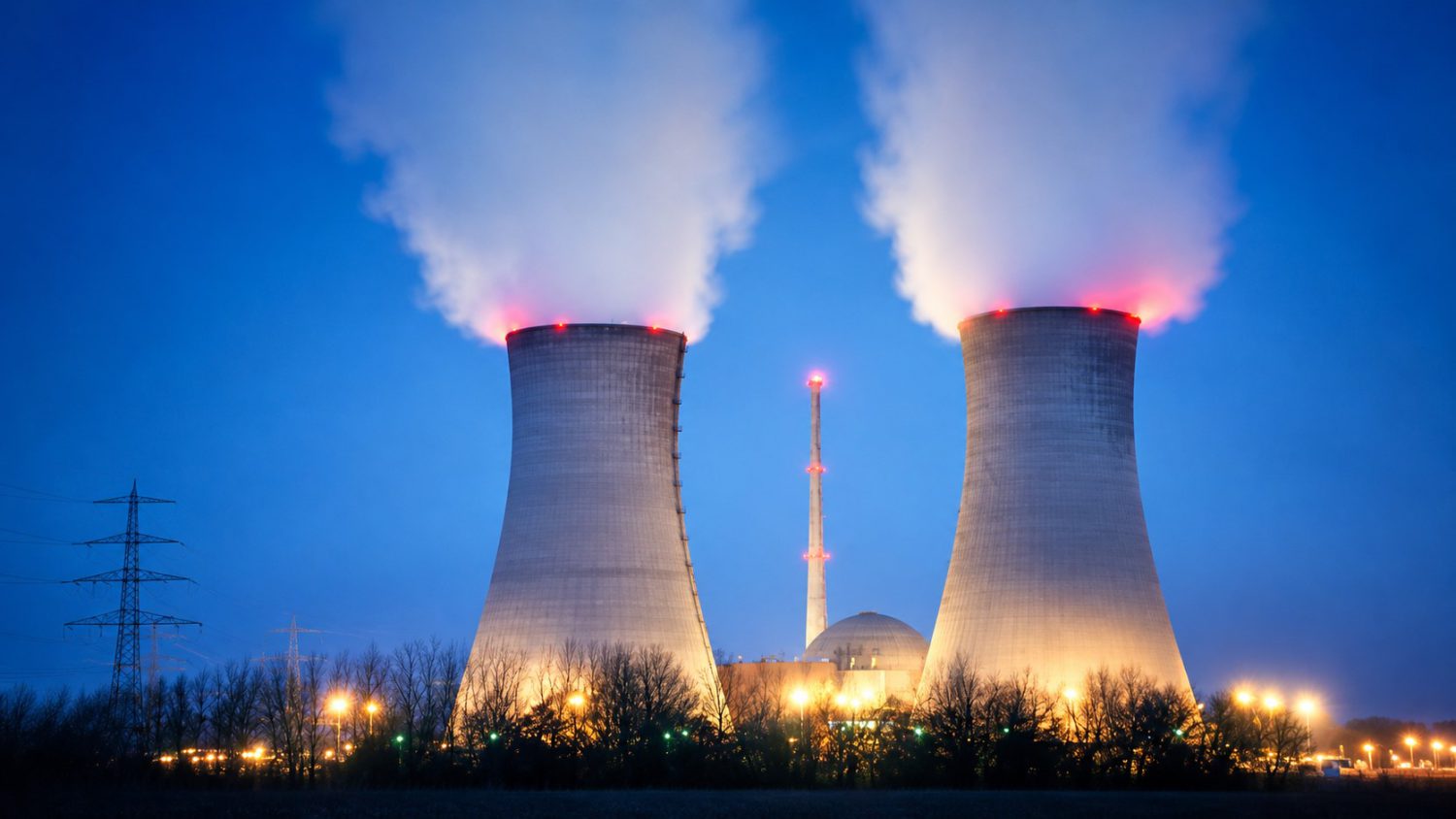
Four billion metric tons of uranium sit dissolved in the world’s oceans right now, roughly 1,000 times the total identified in hard-rock mines worldwide. A US startup called Fluxnium just emerged from stealth with a plan to get at it, backed by $7 million in seed funding and chemistry licensed from the US Department of Energy.
The catch: extracting that uranium currently costs more than twice the market rate, and no one has proven it works at commercial scale.
The timing matters. Yellowcake prices have risen approximately 75% over the past five years, according to US Energy Information Administration data. US policy discussions target tripling nuclear capacity by 2050, yet the country imports the overwhelming majority of its uranium from a short list of geopolitically exposed nations.
Sorry, I think casual air travel is one of those things that’s only possible with cheap energy provided by oil.
SAF is only economically approachable because nobody wants it because oil is cheaper. If we were in a situation without oil, SAF, biodiesel, etc., would immediately get smacked with a demmand curve making it unaffordable.
It’s like how you can run your car on fry grease scavenged from fast food dumpsters, but everyone can’t.
We’re saying the same thing on this point with both our posts. You’re saying “use rail instead of flying because batteries can’t fly a plane”. I’m saying "if we remove petroleum, the cost of jet travel will be substantially higher and consumers will seek a cheaper alternative (which may end up being rail). "
Sure, but you’re going whole hog to the “conserve” approach, which I agree is a component, but may not be the full or best answer. My suggestion would drastically increase solar power far far beyond our current electricity needs to create liquid SAF fuels directly from electricity and basic CO2/water inputs (aka Power-to-liquids). Theres a plant in Washington state doing exactly this.
I see that as too short sighted. Take the longer view. Fry grease is a very easily available and low transformation source of energy. There are other sources of energy that are a level more harder to get, and a level of more transformation needed to be usable in our chosen application.
With scarcity (artificial or natural) and scale we would see switches to these other forms of non-petroleum energy. I’m not saying its an overnight thing, but I don’t think you are either with your proposals.
Interesting. Thanks for the info!
I did a little digging and it looks like E-Fuels are outrageously expensive to produce, that is to say, the electricity would be better put into a battery; but for all the cases where that’s infeasible it could be last ditch option.
With any technology humaity has for the forseeable future, no amount of battery storage will enable commodity transatlantic air travel.
I’m also talking about installing enough solar to eclipse beyond what all of our batteries can hold.
I wrote:
You wrote:
OK. Glad we agree.
With cheap, clean, safe magic (fusion?) power, you can turn CO2 from the atmosphere back into jet fuel.
Cool. Let’s genetically engineer leprechauns to build it…