
- 66 Posts
- 44 Comments
 1·5 months ago
I sort out and organize my thoughts, problem-solutions and a plan moving forward. It takes a while, but I get a sound sleep afterwards
We’ll see what happens in due time. Their interceptor won’t launch until 2029.
https://www.esa.int/Science_Exploration/Space_Science/Comet_Interceptor

 8·6 months ago
Here’s one that Voyager 2 took if you were wondering. I couldn’t find the one that was described above, though.
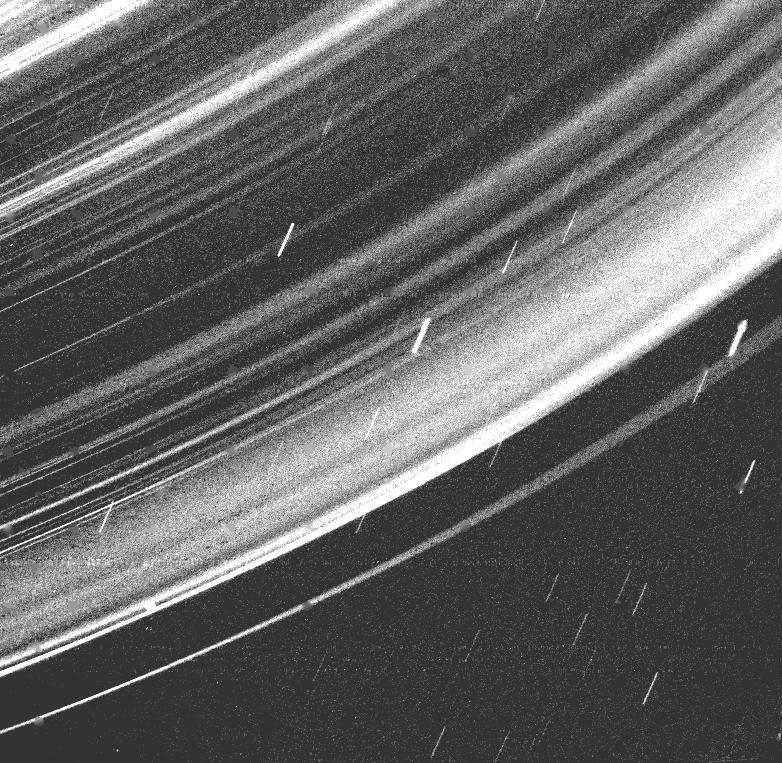
https://science.nasa.gov/mission/voyager/images-voyager-took/
Edit
Here it is

That’s a beautiful pic, as well. The kite seems symbolic, in a way.
That’s a beautiful view. It must be nice to stargaze at night, as well.
Wow, that’s a wonderful view. To be honest, I’d bring a foldable chair and sit there all day if I could. There’s nothing like listening to and watching the waves underneath a beautiful skyline. It must also be a nice and scenic drive going there. I don’t know what I’d put on the stereo to prepare me for it, though. Maybe Schubert’s Wind Quartet in B Moll Major from String Trio, D471, but something light.
Well, over here, I just read and learned about it in textbooks and geography class when I was a kid. Makes me want to move over there even more.
If I didn’t know better, I’d think you’d be living in some fantasy world. Thanks for sharing.
That’s awesome
Wow. That’s an amazing park. I’m jealous.
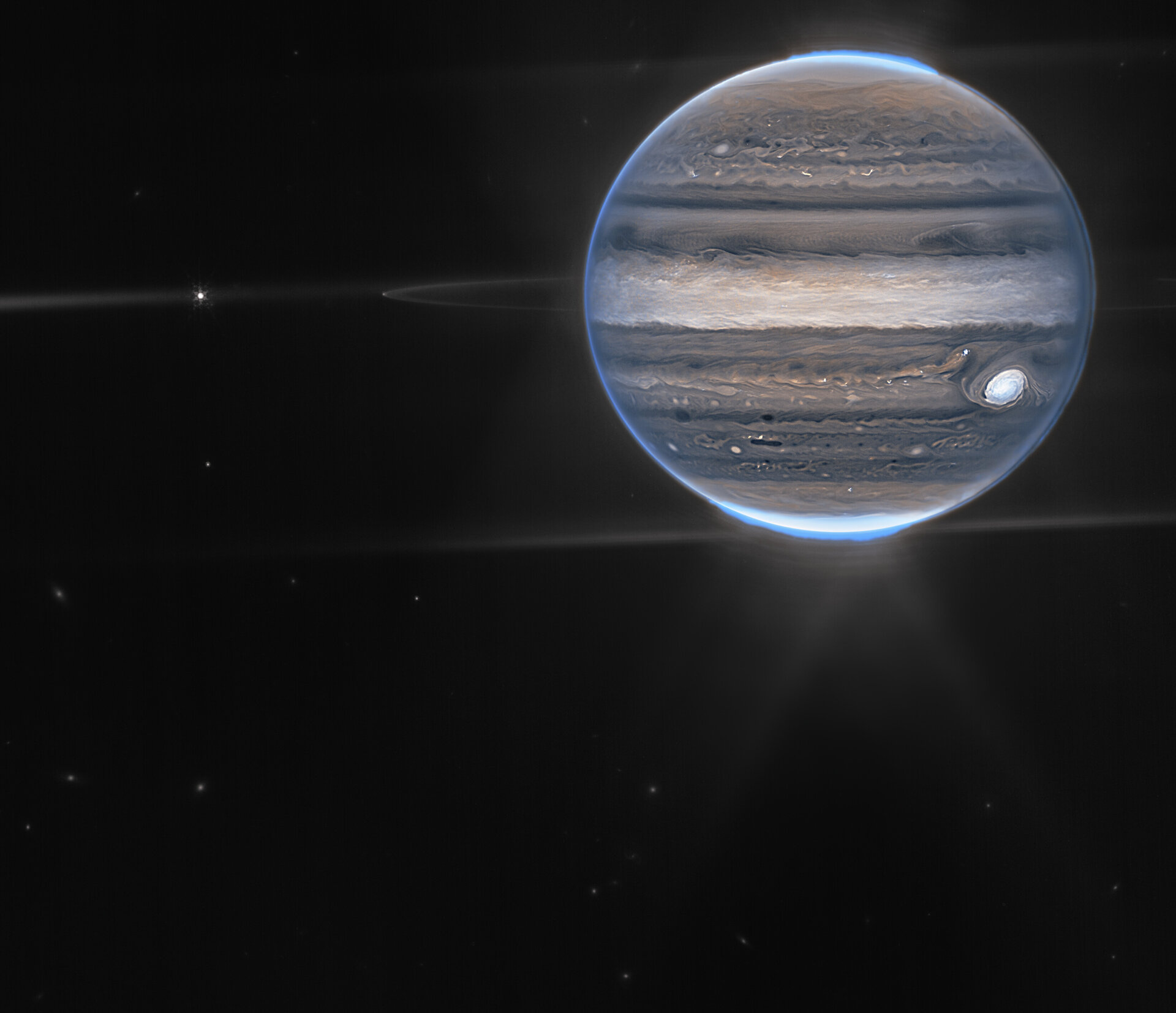
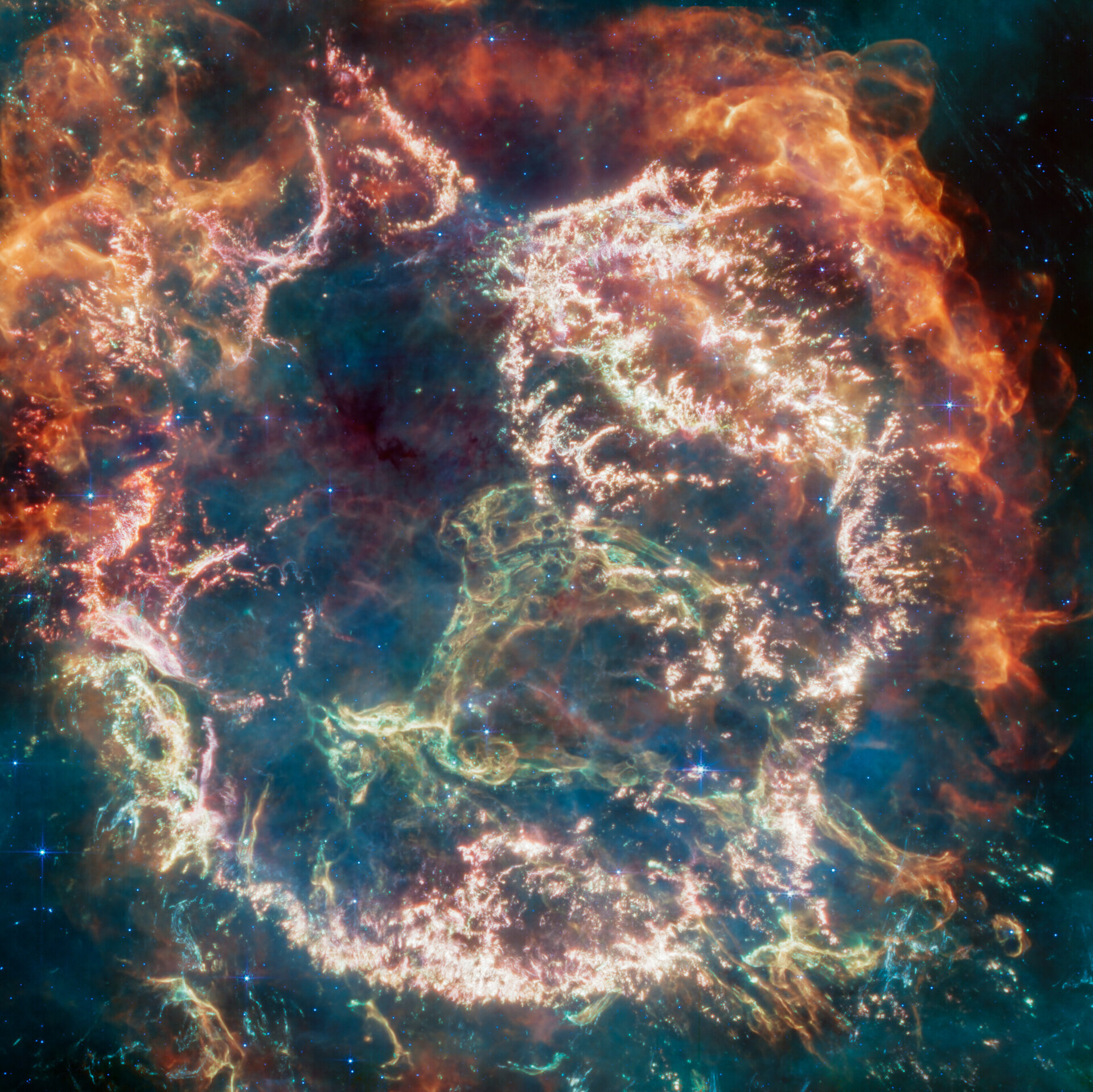
Well, the NIRCam is a Near-InfraRed Camera, so it wouldn’t look like that in person.
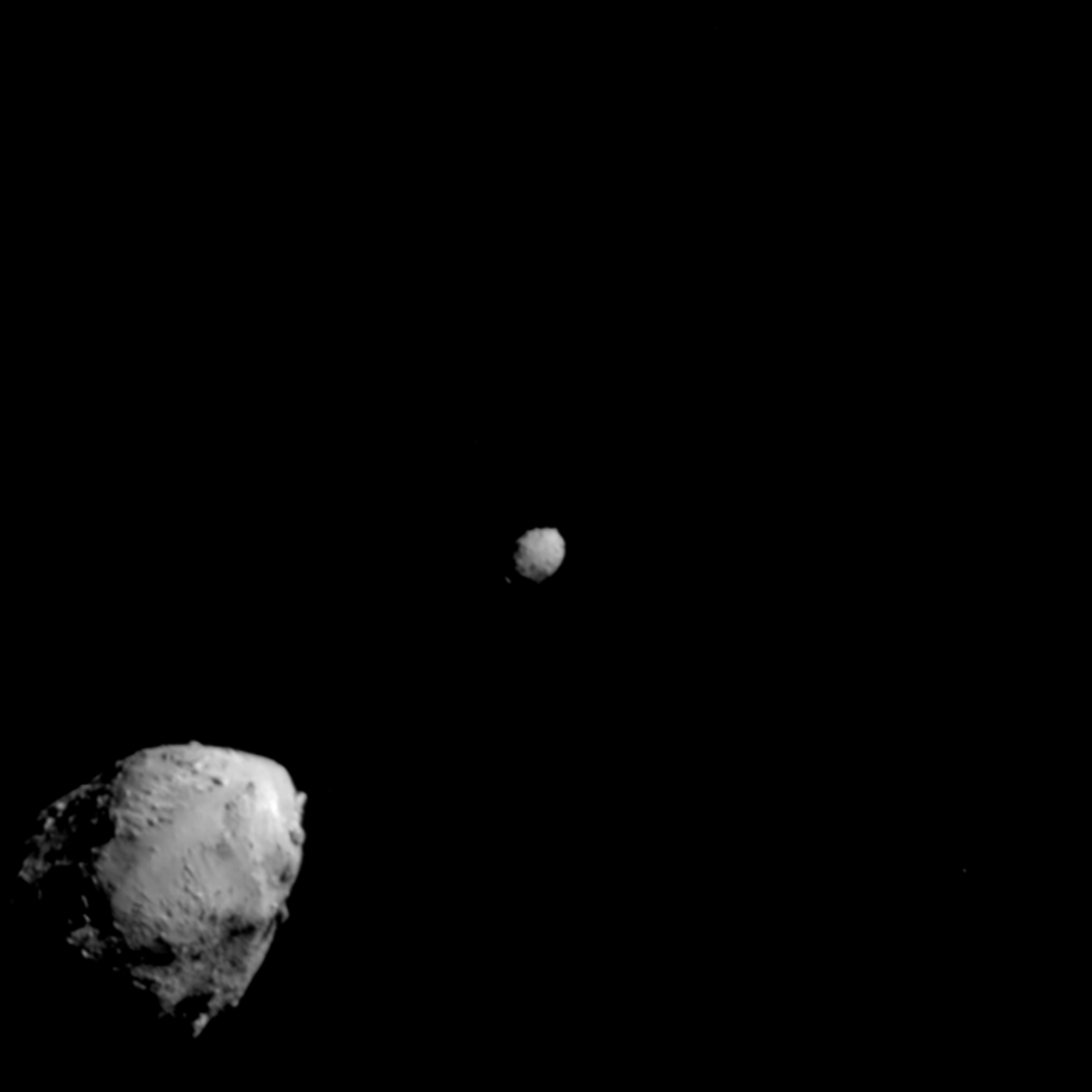
Yes and here’s a labeled version of the craters if you were also wondering.




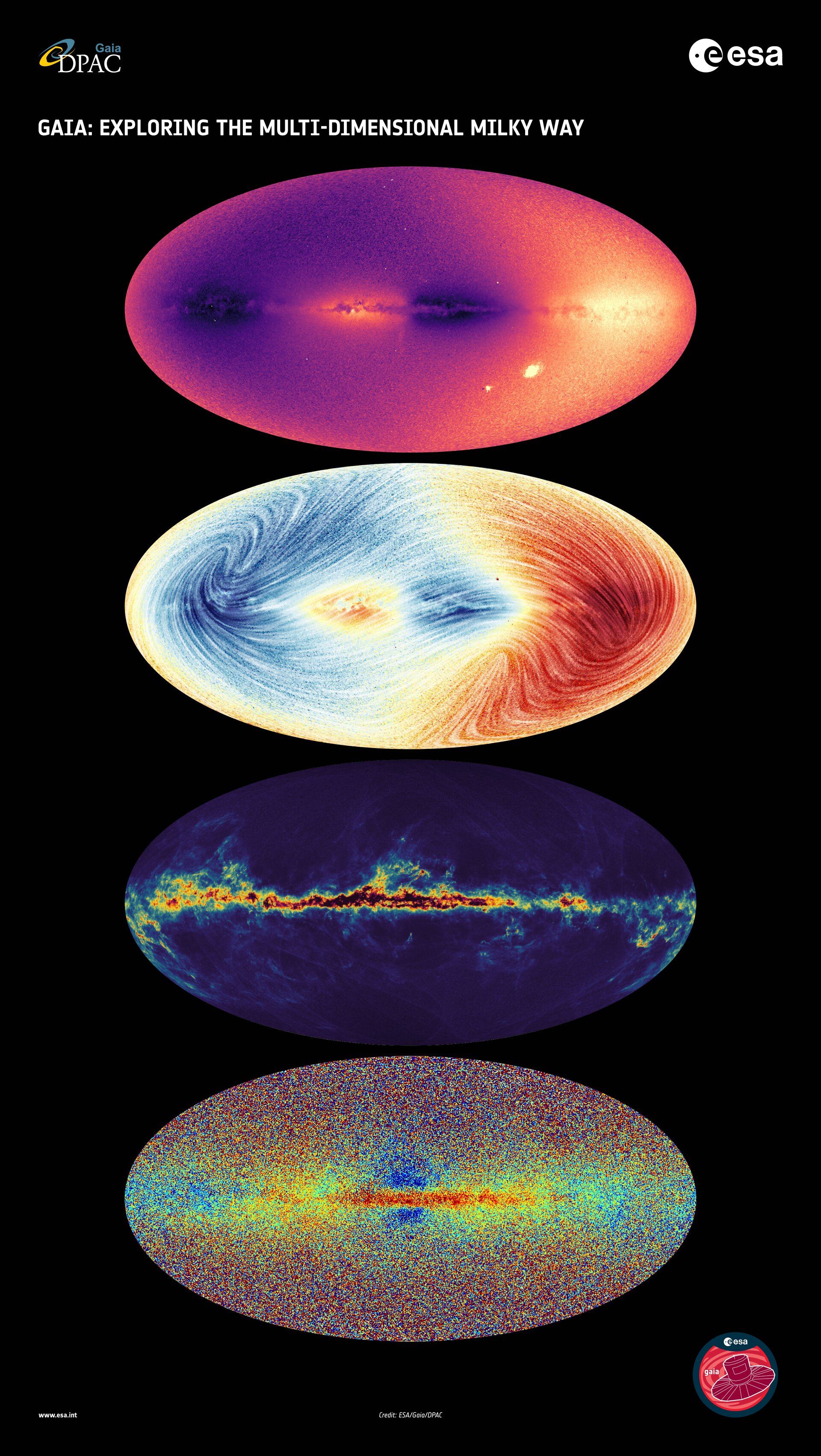
The abstract from their article
It is commonly believed that our own Milky Way is on a collision course with the neighbouring Andromeda galaxy. As a result of their merger, predicted in around 5 billion years, the two large spiral galaxies that define the present Local Group would form a new elliptical galaxy. Here we consider the latest and most accurate observations by the Gaia and Hubble space telescopes, along with recent consensus mass estimates, to derive possible future scenarios and identify the main sources of uncertainty in the evolution of the Local Group over the next 10 billion years. We found that the next most massive Local Group member galaxies—namely, M33 and the Large Magellanic Cloud—distinctly and radically affect the Milky Way–Andromeda orbit. Although including M33 increases the merger probability, the orbit of the Large Magellanic Cloud runs perpendicular to the Milky Way– Andromeda orbit and makes their merger less probable. In the full system, we found that uncertainties in the present positions, motions and masses of all galaxies leave room for drastically different outcomes and a probability of close to 50% that there will be no Milky Way–Andromeda merger during the next 10 billion years. Based on the best available data, the fate of our Galaxy is still completely open.
Till Sawala, Jehanne Delhomelle, Alis J. Deason, Carlos S. Frenk, Jenni Häkkinen, Peter H. Johansson, Atte Keitaanranta, Alexander Rawlings & Ruby Wright
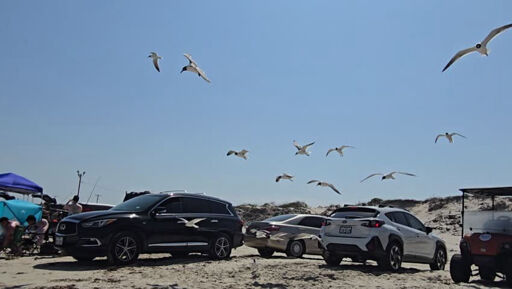

Thanks, I appreciate it.

Your right and that’s why June 14th is the protest day - https://www.nokings.org/

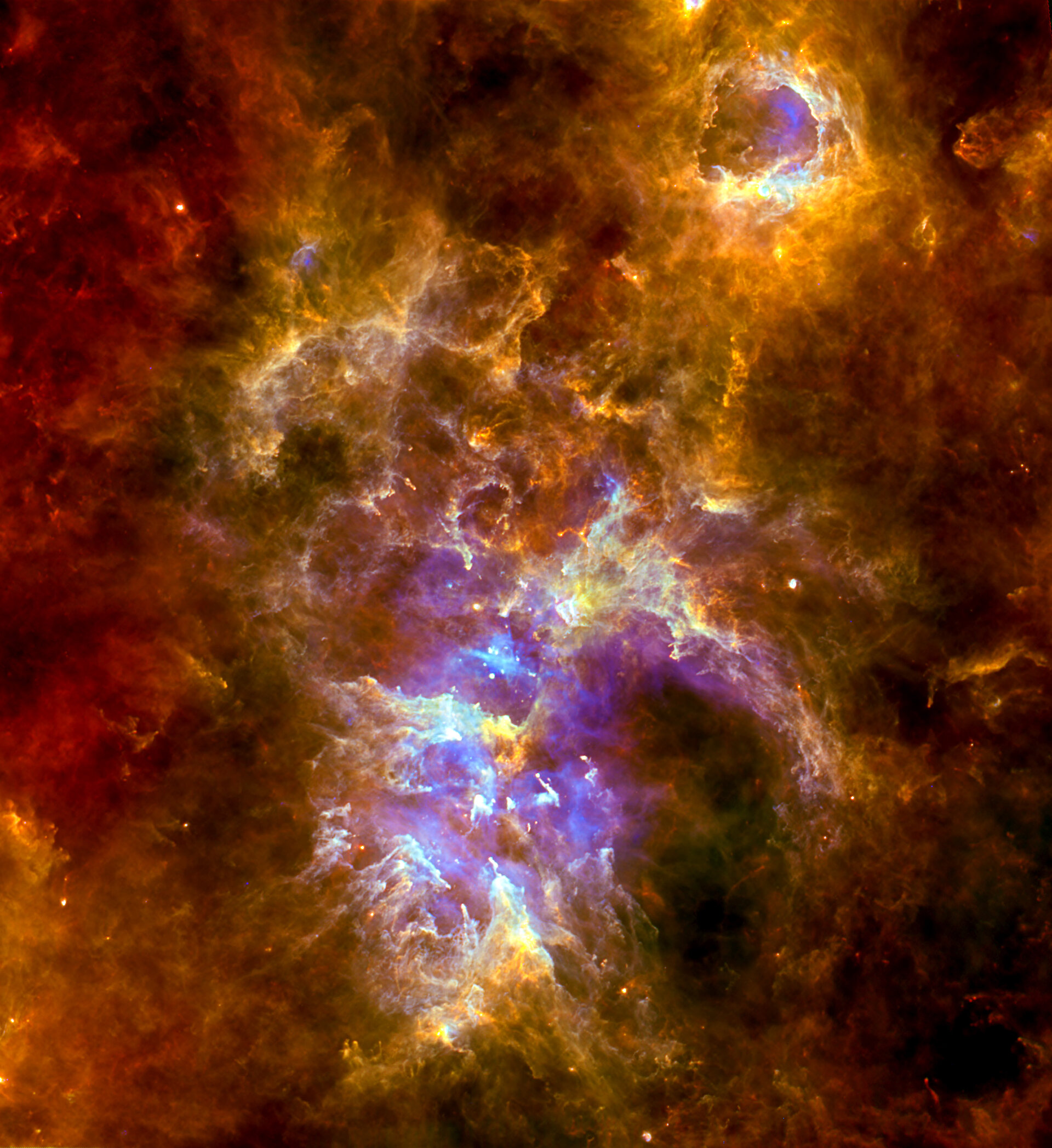
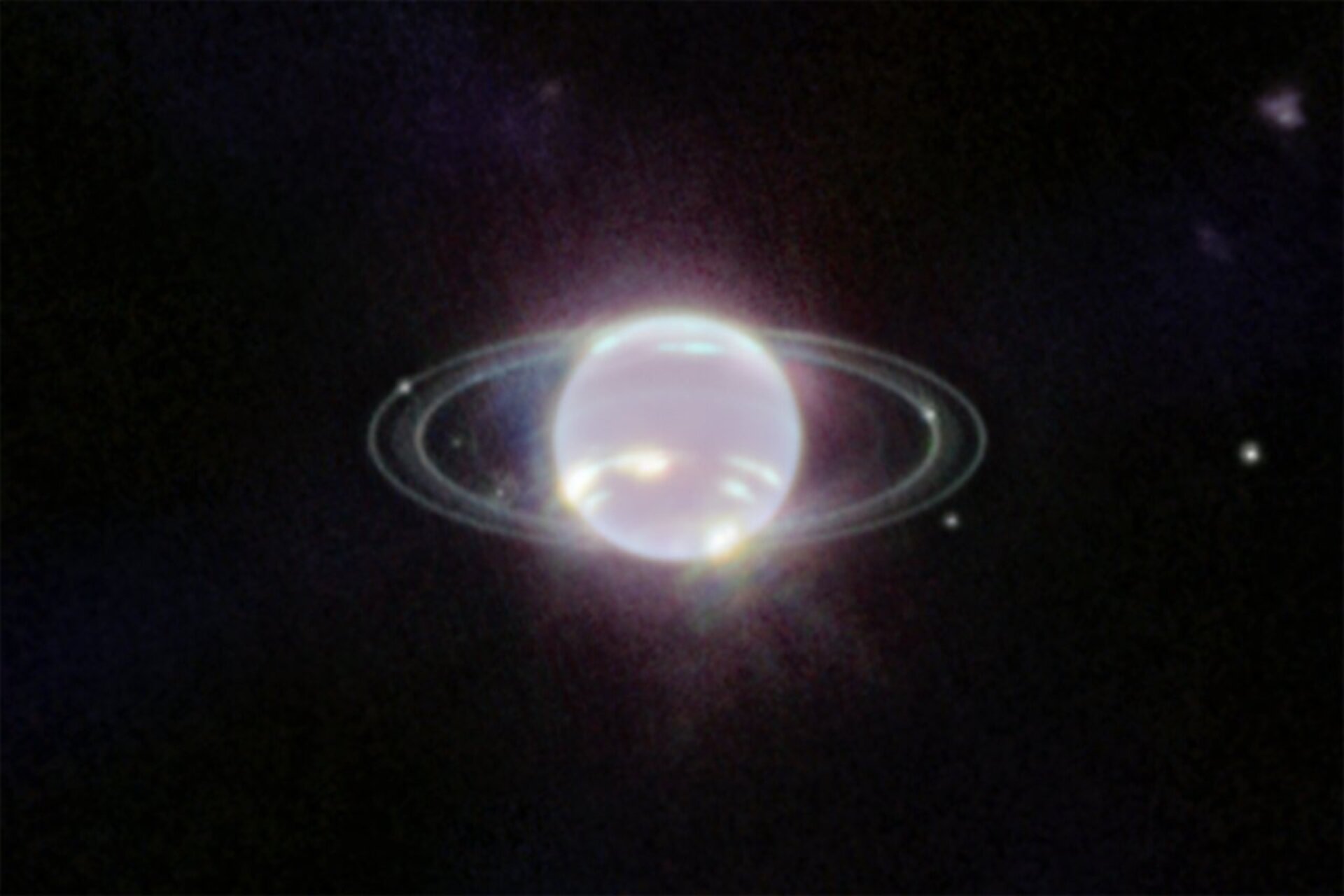







Dammit. That’s what I get for believing a bot.
From their article
Abstract
Liquid water was abundant on Mars during the Noachian and Hesperian periods but vanished as the planet transitioned into the cold, dry environment we see today. It is hypothesized that much of this water was either lost to space or stored in the crust. However, the extent of the water reservoir within the crust remains poorly constrained due to a lack of observational evidence. Here, we invert the shear wave velocity structure of the upper crust, identifying a significant low-velocity layer at the base, between depths of 5.4 and 8 km. This zone is interpreted as a high-porosity, water-saturated layer, and is estimated to hold a liquid water volume of 520–780 m of global equivalent layer (GEL). This estimate aligns well with the remaining liquid water volume of 710–920 m GEL, after accounting for water loss to space, crustal hydration, and modern water inventory.
Same here.

https://www.nokings.org/?SQF_SOURCE=50501
https://www.fiftyfifty.one/events
One of the speakers from the Mayday protest talked about reforming the government itself from attending town halls to running as candidates for the next term.
If we want changes to happen, we need to change, as well.
Edit
Please ignore my ANeko cat on the picture. I guess it wanted to show it’s support, as well.
Start planning your path after school and what you need to do to get there. What you want to do for a living versus what can sustain you with a comfortable life, plenty of vacation, and good benefits can be very different. Yes, it more than likely won’t be ideal, but it’s a whole lot better than struggling to pay the bills.
A job is a job. The more it pays, the more you can do. It’s as simple as that.