IRC is too difficult for normal people to figure out.
“Connect to any server you have ever heard of. Enjoy.”
Even Matrix is too complicated for most people.
The problem with Matrix is that its encryption technologies are FUBAR. Unencrypted rooms are slightly nicer to use than IRC channels. But then again: why?
What about almost every other distro being run by volunteeers?
You misunderstood: Red Hat The Linux Distribution (not quite relevant for Linux development) is not Red Hat The Commercial Entity (quite relevant for Linux development). However, volunteers repackaging (“distributing”) Red Hat software still don’t change the nature of the software, but that’s a different discussion.
It’s honestly insane that you can sit there and shill for Microsoft these days.
I do not do that. What I actually wrote is: By moving from Windows to Linux (assuming you use Linux-libre), you gain a certain level of freedom, but that freedom still relies on commercial entities and their own ideas that are contributed to the kernel. Just because you can see the code, you still can’t decide about the code.
Note that I do not use Windows. You make it sound like I would.
Let’s leave it at that. We probably won’t solve this debate over Christmas, and life is too short to argue about software. :-)
Have a good one.
“Everyone can see the code” does not mean that everyone understands what’s going on, by the way. The X server had had a security hole for 23 years just a while ago. Could it be that “it’s OSS” and “many people read and understand what’s going on” are not the same thing?
You give up all control over your system to other US corporations though, like Red Hat (who are - and should be held, IMO - responsible for systemd) and Microsoft (who contribute quite some code to the kernel). The only system you control is a system you write, I’m afraid.












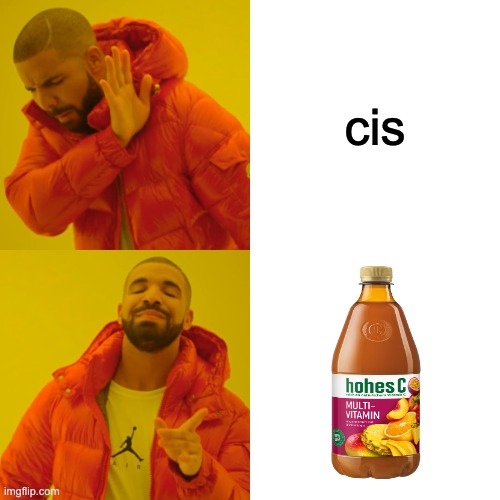
Some of us are pretty ok.